

Biologic Drugs for Rheumatoid Arthritis: Are They Right for You?
2/23/26
Biologic drugs are often called “game-changers” for rheumatoid arthritis (RA). But how do you know if they’re the right choice for you? Let’s break it down in a way that answers the questions you’re actually searching for.

What Are Biologic Drugs?
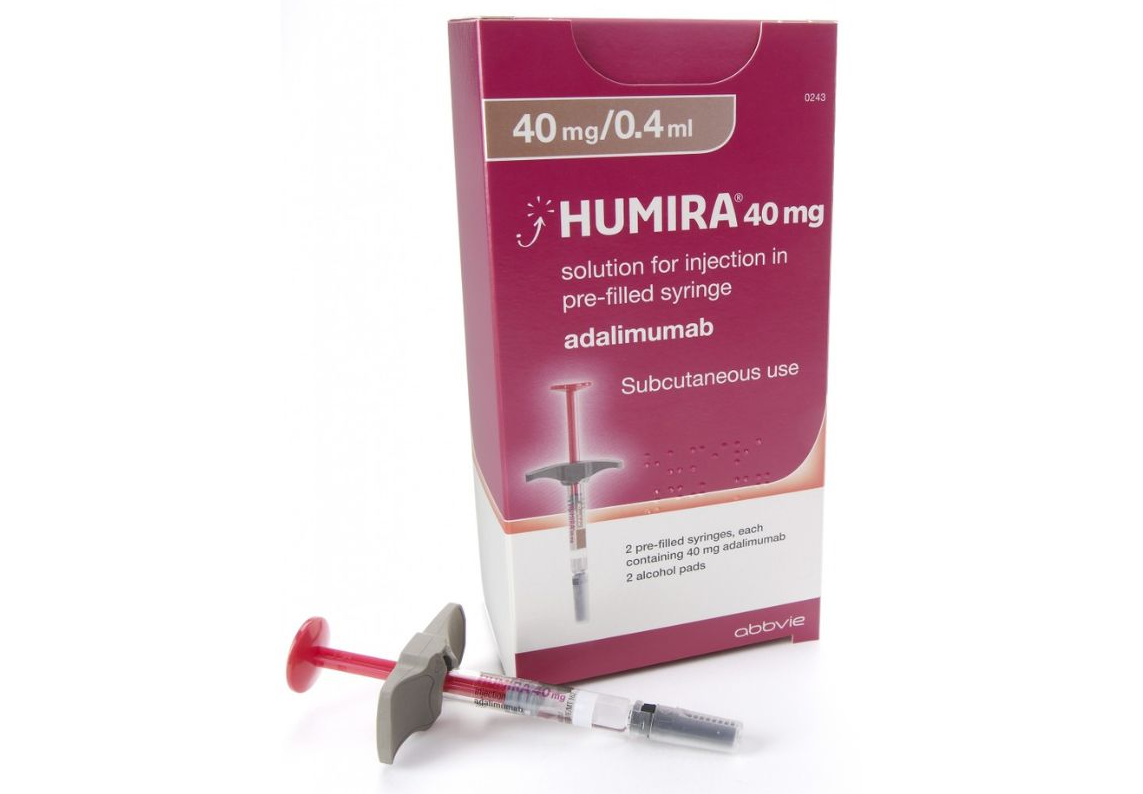
Biologics are medications for more aggressive RA that target specific parts of your immune system. Unlike older drugs that broadly suppress inflammation, biologics focus on the molecules that drive joint damage. They can reduce pain, slow disease progression, and improve your quality of life.
How Do I Know if a Biologic Is Right for Me?
Biologics are not for everyone. Usually, rheumatologists start with standard medications like methotrexate or hydroxychloroquine. Biologics are considered if:
Your current medications aren’t controlling symptoms.
Blood tests show ongoing inflammation (like high ESR or CRP).
You continue to have swollen, stiff, or painful joints.
Even if you have ongoing pain, it doesn’t automatically mean you need a biologic. Pain can come from other conditions—like osteoarthritis, muscle strain, or degenerative disc disease—so your rheumatologist will assess carefully.

How Do Rheumatologists Decide Who Should Take Biologics?
We use a combination of lab results, symptom patterns, and previous treatment responses. We look for:
Evidence of active inflammation.
Persistent symptoms despite conventional medications.
Situations where certain first-line drugs can’t be used (like methotrexate in pregnancy).
The decision is both clinical and individualized—it’s not just based on the number of joints that hurt.
How Should I Prepare for My Appointment About Biologics?
If you want to talk to your rheumatologist about biologics, know your body. Note:
Which joints hurt and when.
Times of stiffness or swelling.
Fatigue patterns.
Response to previous medications.
The more detailed your information, the better we can decide if a biologic might help you.
If Biologics Are So Effective, Why Doesn’t Everyone Take Them?
Biologics are powerful, but they’re not meant for mild RA. We start with conventional medications and escalate if needed. Biologics are also expensive, require insurance approval, and need monitoring. They’re typically reserved for people whose disease is not well-controlled by standard therapy.
What Types of Biologics Are There?
Each type has its own benefits, risks, and monitoring needs. Your rheumatologist will match the right drug to your disease profile.
-
These are the most well-known biologics and have been used for over 20 years. They work by blocking a protein called tumor necrosis factor-alpha (TNF-alpha), which plays a key role in causing inflammation in RA. Common examples include etanercept, adalimumab, and infliximab.
-
Interleukin-6 (IL-6) is another protein that drives inflammation in RA. Tocilizumab and sarilumab are examples in this category.
-
These medications affect the “conversation” between immune cells that triggers inflammation. By interrupting this communication, they help calm the immune system and reduce joint damage. Abatacept is the main drug in this class.
-
Unlike most biologics, these are oral medications rather than injections. They work inside immune cells to block specific signaling pathways called Janus kinase (JAK) pathways, which are involved in the immune response. By doing so, they help reduce inflammation, swelling, and pain. Examples include tofacitinib, baricitinib, and upadacitinib.
-
Rituximab works by targeting a specific type of immune cell called B cells, which play a key role in driving the inflammation and joint damage seen in RA.


Are Biologics Dangerous?
They’re not “casual” medications—they affect your immune system. But they don’t wipe it out entirely. Regular monitoring for infections or other complications is essential. The good news? Biologics have drastically reduced the risk of crippling arthritis and serious organ involvement. They’re considered safe for long-term use under medical supervision.
What Are the Risks if I Decline Biologics?
Untreated or undertreated RA can cause:
Irreversible joint damage.
Heart, lung, or blood vessel complications.
Nerve or eye damage.
RA is not just a joint disease—it’s systemic. Early and effective treatment is key. Waiting too long can make damage permanent, even if your pain seems manageable now.
Will I Need to Stay on a Biologic Forever?
RA is treatable, not curable. That said, your treatment plan is never set in stone. We reassess at every visit to make sure your medications are still the best fit. Some patients may eventually taper, others may need ongoing therapy. The goal is always disease control, safety, and quality of life.
What Is Life Like on Biologics?
Most people on biologics lead full, active, and productive lives. Pain is reduced, stiffness improves, and daily function often returns. Patients report being able to do activities they thought were lost to RA—hiking, working, playing with kids, and more.
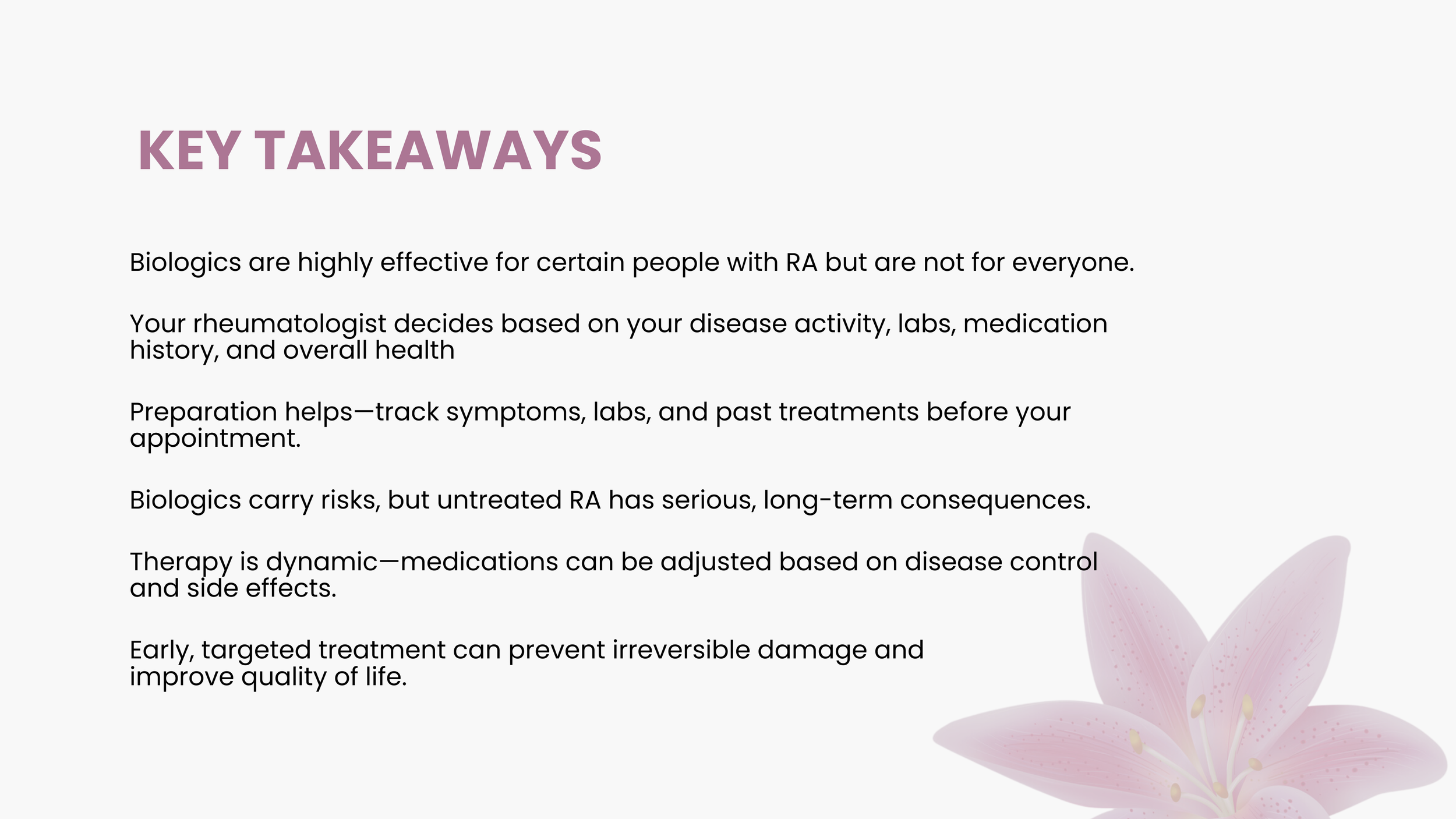
If you’re wondering whether biologics could help control your RA, the best step is an informed conversation with your rheumatologist. Know your symptoms, understand your labs, and ask questions. Biologics can be life-changing, helping you stay active, healthy, and independent.