
How Long Do Biologic Drugs Take To Work?
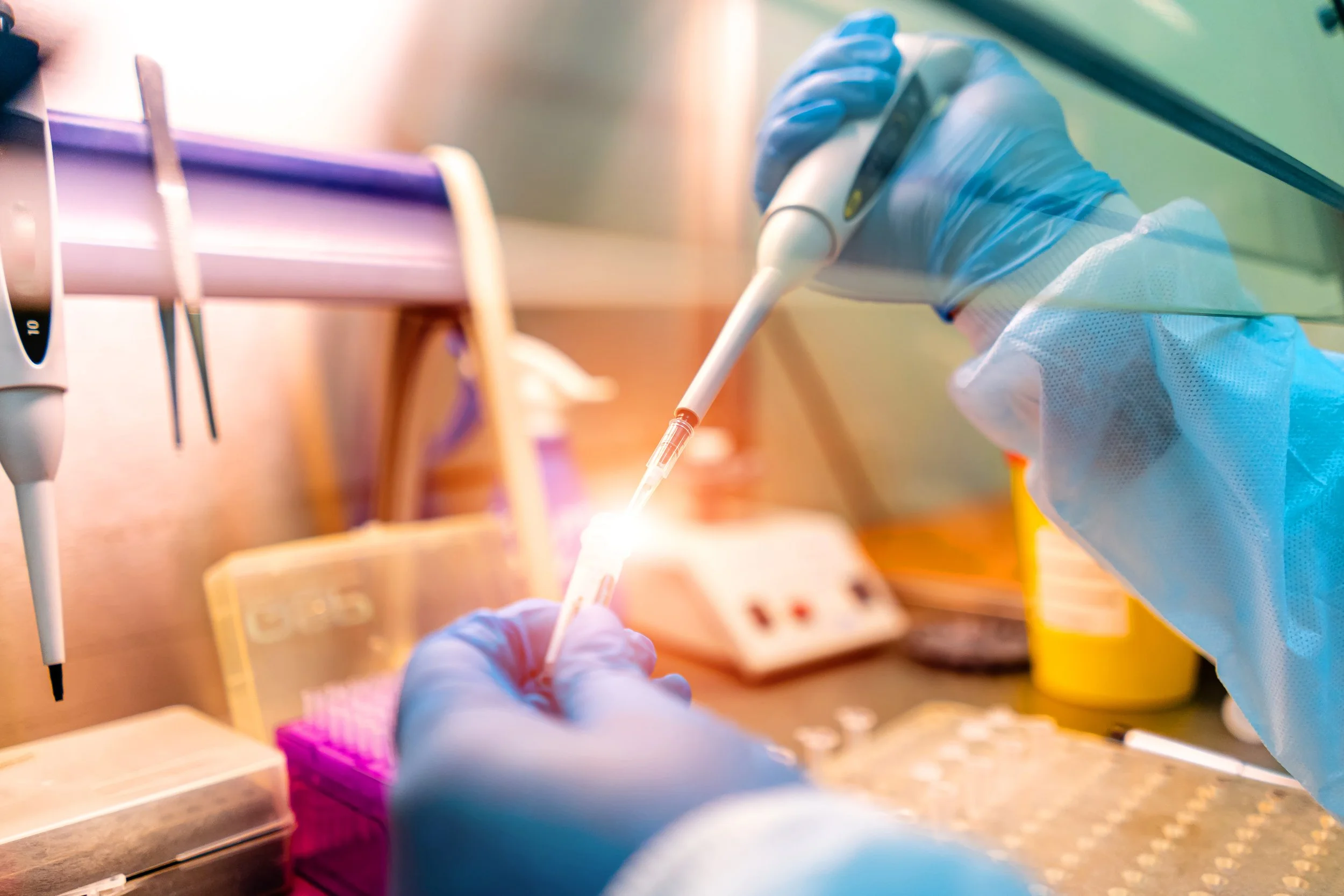
What are biologic drugs?
Biologic drugs are medications made from living systems that target specific parts of the immune system in order to treat chronic inflammation in conditions like Rheumatoid Arthritis (RA), Psoriatic Arthritis (PsA), Lupus, Ankylosing Spondylitis (AS), and more.
They are stronger (and more effective) than some of the initial (and milder) drugs we use. While they are stronger, they don’t completely suppress the immune system; they target it in very specific ways, in order to calm down immune overactivity that can lead to the joint pain, joint stiffness, joint swelling, and fatigue we see in rheumatic diseases.
Biologic drugs in rheumatology have been around for a very long time, and thanks to how well they work, most people on them are living healthy, active, and productive lives.
Examples include TNF inhibitors such as Adalimumab (Humira), Etanercept (Enbrel), and Infliximab (Remicade), IL-17 inhibitors like Secukinumab (Cosentyx) and Ixekizumab (Taltz), and many more.
How soon should I feel better after starting a biologic?
When I talk to my patients about biologics, we are usually transitioning to use them in situations where conservative medications (like methotrexate) were either ineffective, or they developed side effects. One of the most important things to know is that you don’t see the results from biologic drugs instantly; it takes time.
Some patients feel better within a few weeks, but for most people, improvement is gradual and builds over time.
In general:
Early improvement: 2–8 weeks (often subtle)
More meaningful change: around 3 months
Continued improvement: sometimes up to 3–6 months depending on the medication and disease severity
It’s very normal for symptoms to improve unevenly during this time.
Do any medications work faster than biologics?
Sometimes. Janus kinase (JAK) inhibitors, such as Tofacitinib (Xeljanz) or Upadacitinib (Rinvoq), can work faster in some patients.
I’ve seen people notice improvement in pain and stiffness as early as 2–4 weeks, although again, response varies quite a bit from person to person.
If I still have pain, does that mean my biologic isn’t working?
Not necessarily, and this is a really important point. Not all pain in someone with inflammatory arthritis is actually inflammatory.
Even when a biologic is working well for RA, PsA, or AS, patients can still have pain from other causes like:
osteoarthritis (wear-and-tear or mechanical pain)
tendonitis or enthesitis
muscle or myofascial pain
stiffness and deconditioning after prior inflammation
So ongoing pain does not automatically mean the biologic has failed. It may simply mean there are multiple contributors to pain.
How do I know if a biologic is working?
In practice, we don’t rely on pain scores alone.
We look at the full picture:
joint swelling and exam findings
stiffness and function
inflammatory markers when they’re helpful
how symptoms are trending over time
Improvement in inflammation is really the key signal — more so than complete resolution of every ache or pain.
When do we decide a biologic isn’t working?
This is individualized, but in general:
If there’s only a partial or unclear response by about 3 months, we start thinking about adjustments.
By 3–4 months, if the response is still not where we want it to be, we often consider:
dose optimization
combination therapy
or switching to a different medication
This is consistent with a treat-to-target approach and what we see in clinical trials.
Why switch biologics if there is “some” improvement?
Because the goal isn’t just “better,” it’s controlled disease.
If a medication:
reduces inflammation but not enough
improves symptoms but not function
or leaves ongoing objective disease activity
then staying on it may not be the best long-term strategy for protecting joints and function. Sometimes a different mechanism gives a better, more complete response.
Bottom line
Biologics take time — usually weeks to months — and improvement is gradual, not immediate.
It’s also important to remember that persistent pain doesn’t always mean the medication isn’t working. Sometimes there are other causes of pain that are not due to inflammation, occurring at the same time.
In most cases, we reassess response around 3 months and adjust treatment if needed, with the goal of getting inflammation fully under control while also improving how patients feel and function in real life.
And if you’re in that in-between space right now and feeling discouraged, you’re not alone in that. This is a very common part of the journey with autoimmune disease, especially early on. These treatments often take a bit of time to show their full effect, and we adjust together along the way.
Additional Reading
Smolen JS, Edwards CJ, et al. EULAR recommendations for the management of rheumatoid arthritis with synthetic and biologic disease modifying antirheumatic drugs: 2025 update. Ann Rheum Dis 2026; doi.org/10.1016/j.ard.2026.01.023
American College of Rheumatology. 2021 Guideline for the Treatment of Rheumatoid Arthritis. Arthritis Care & Research. 2021;73(7):924–939. doi:10.1002/acr.24596. https://acrjournals.onlinelibrary.wiley.com/doi/10.1002/acr.24596