
What Can You Eat to Sleep Better?
Sleep problems are incredibly common, and in rheumatology, they are especially important. Poor sleep is closely linked with chronic pain, fatigue, and increased inflammation. In patients with systemic autoimmune diseases such as rheumatoid arthritis, lupus, and other connective tissue diseases, disrupted sleep can amplify pain sensitivity, worsen fatigue, and make disease symptoms feel more difficult to manage.
While sleep is influenced by stress, hormones, medications, and daily routines, nutrition is an often overlooked piece of the puzzle. We are learning more and more that what you eat during the day—and especially in the evening—can influence sleep quality.
No single food will “fix” insomnia, but certain dietary patterns and foods may support better sleep over time.
Here are some of the most practical, evidence-supported options.
What are Foods That May Support Better Sleep?
Tart cherry juice
One of the most studied foods for sleep. Tart cherries naturally contain melatonin, which helps regulate the sleep-wake cycle. Some studies show improvements in sleep duration and quality.
Kiwifruit
Eating kiwi before bed has been linked with falling asleep faster and improved sleep quality. It contains serotonin, antioxidants, and folate—all of which may support sleep regulation.
Fatty fish (salmon, sardines, mackerel)
These are rich in omega-3 fatty acids and vitamin D, both of which may influence sleep and circadian rhythm. They may also help in patients with inflammatory conditions or chronic pain.
Dairy products
Milk, yogurt, and cottage cheese contain tryptophan, which is a building block for serotonin and melatonin. Some patients find a small bedtime snack helpful for relaxation.
Whole grains and high-fiber foods
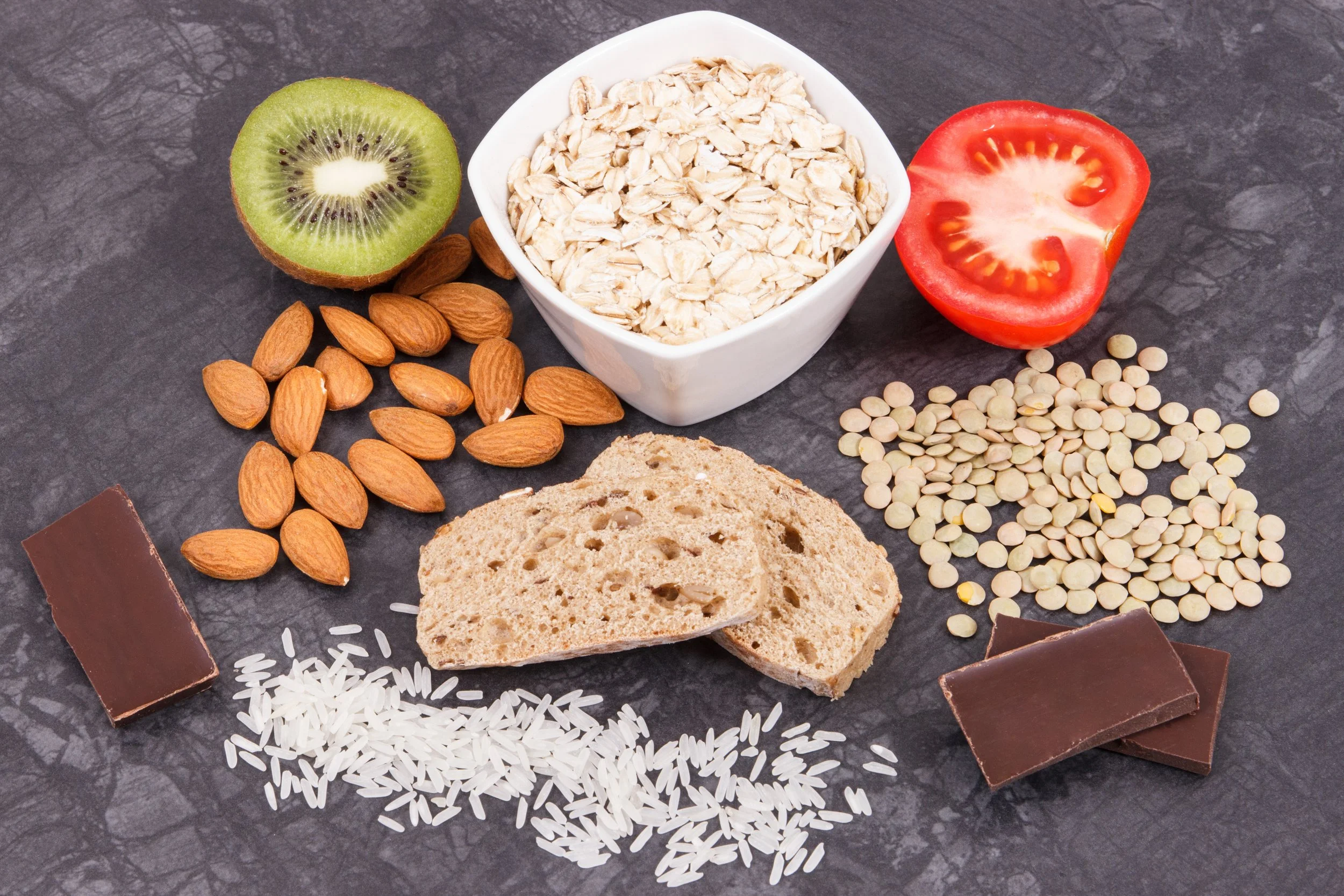
Oats, quinoa, brown rice, and other whole grains may improve sleep quality by stabilizing blood sugar and supporting gut health. Diets higher in fiber are consistently associated with better sleep.
Nuts and seeds
Almonds, walnuts, pumpkin seeds, and cashews contain magnesium, which helps regulate the nervous system. Some also contain small amounts of melatonin.
A Simple Sleep-Friendly Eating Pattern
Rather than focusing on one “superfood,” overall diet pattern matters most.
The Mediterranean-style diet has been consistently associated with better sleep. This includes:
Fruits and vegetables
Whole grains
Legumes
Nuts and seeds
Olive oil
Fish as a primary protein source
This pattern is also anti-inflammatory, which is relevant for many patients with rheumatic disease.
What are Simple, Practical Bedtime Snack Ideas?
If someone is looking for something simple to try, a few options include:
Greek yogurt with berries
Warm milk
Kiwi before bed
Oatmeal with walnuts
Small handful of almonds
These are not required—but can be reasonable, low-risk options if you tend to wake up hungry or have trouble winding down.
A Few Important Reminders
Diet can support sleep, but it is not the whole picture. Light exposure, stress, pain, medications, and sleep habits still play a major role.
Sleep is a key part of managing chronic pain and systemic autoimmune disease. When sleep is disrupted, pain perception and fatigue often worsen, and overall disease burden can feel higher.
Foods rich in magnesium, tryptophan, omega-3 fatty acids, fiber, and melatonin may support more stable and restorative sleep.
If nothing else, start simple: a consistent diet, fewer processed foods in the evening, and one or two sleep-supportive foods you enjoy.
Over time, these small changes can make a meaningful difference.
Additional Reading:
1. St-Onge M-P et al.
Effects of Diet on Sleep Quality.
Advances in Nutrition. 2016;7(5):938–949.
A foundational review summarizing how dietary patterns (fiber, fat quality, sugar intake) influence sleep duration and quality.
2. Arab A, Karimi E, Garaulet M, Scheer FAJL.
Dietary Patterns and Insomnia Symptoms: A Systematic Review and Meta-Analysis.
Sleep Medicine Reviews. 2024.
Strong evidence linking healthier dietary patterns (including Mediterranean-style diets) with lower insomnia symptoms and better sleep quality.