

Do Diets Really Help Autoimmune Disease?
3/2/26
Short answer? Yes.
Long answer? Diets can meaningfully reduce inflammation — but you don’t need to be perfect or suffer through a restrictive plan to see results. If you’re consistent about 75% of the time, that’s enough to make a difference. Falling off occasionally doesn’t erase progress — just get back on track at the next meal. Be kind to your body and it will take care of you too.
Consistency over time is what matters. Food should be nourishing and enjoyable, not a source of stress.
Let’s get into what actually works.
Do diets really reduce autoimmune inflammation?
Yes, they can. However, they don’t replace medication in moderate to severe inflammatory arthritis.
What I’ve seen clinically:
Less morning stiffness
Lower CRP and ESR in some patients
Fewer flares
Less fatigue
In some cases, reduced medication needs
I have literally seen patients reduce their immune medications after making sustained dietary changes. And in some cases, even come off immune drugs.
That doesn’t mean everyone can. But it absolutely means food matters.
Which anti-inflammatory diet do I recommend?
First of all, I don’t love the word “diet” — it feels restrictive. But the ITIS diet is my favorite to recommend, and is an excellent starting point if you are looking for where to start out. You can even print out Table 1 in this paper (see the direct link to the article below) and stick it on your fridge to gently remind you. :)
It was studied in people with rheumatoid arthritis (RA) at the Hospital for Special Surgery and developed by researchers including Dr. Monica Guma, a rheumatologist and researcher at the University of California, San Diego. The focus is on reducing inflammation and supporting joint health — not on weight loss.
Here is a link to the full article.
Bustamante MF, Agustín-Perez M, Cedola F, Coras R, Narasimhan R, Golshan S, Guma M. Design of an anti-inflammatory diet (ITIS diet) for patients with rheumatoid arthritis. Contemp Clin Trials Commun. 2020 Jan 21;17:100524. doi: 10.1016/j.conctc.2020.100524. PMID: 32025586; PMCID: PMC6997513
Here is a simplified version of the diet from the Arthritis Foundation:
What’s in the ITIS diet?
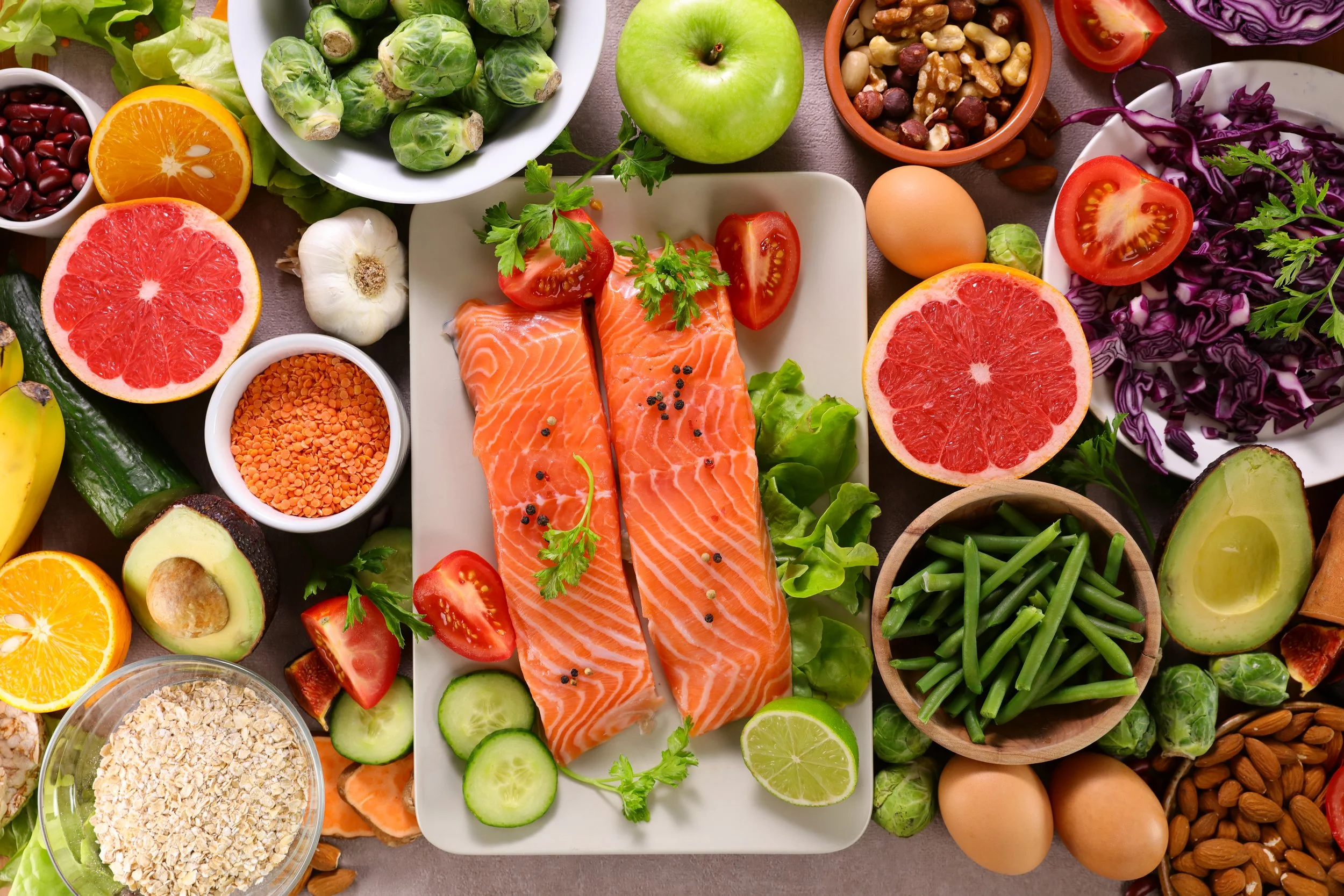
It’s largely Mediterranean-style and plant-forward. It includes:
Fruits and vegetables (a lot of them)
Whole grains
Legumes (lentils, beans, chickpeas)
Nuts and seeds
Olive oil as the main fat
Fatty fish like salmon and sardines
Herbs and spices (turmeric, ginger)
It limits:
Red meat
Processed meat
Refined sugar
White flour
Ultra-processed foods
Saturated fats
What were the ITIS diet study results?
22 highly motivated individuals with RA followed the ITIS diet for a two-week period, while continuing their prescribed medications. About half of the participants reported a 50% reduction in pain and swelling, along with improvements in fatigue and other subjective symptoms, often within three to four days. A few even reached complete remission.
As for the remaining half who didn’t show the same level of improvement in pain and swelling, Dr. Guma points out that all participants still experienced enhanced energy and reduced fatigue. The reason why some did not achieve lower pain and swelling remains unclear.
What are the biggest dietary changes I’ve personally seen make a difference?
After many years in practice, here’s what stands out most:
1. Reducing red meat
This is a big one. When patients cut back on beef, lamb, and processed meats, inflammation joint pain symptoms often improve. Red meat increases certain inflammatory pathways and gut-derived metabolites that can worsen autoimmune activity.
I am not saying you can never eat a steak again if that is what you love. But reducing frequency matters.
2. Reducing refined sugar
Sugar is inflammatory. It spikes insulin, affects gut bacteria, and can worsen fatigue and pain perception. When patients reduce sugary drinks, desserts, and hidden sugars in processed foods (look at the nutrition label for added sugars), they often notice better energy and less joint swelling.
3. Reducing processed foods
This might be the most powerful change of all. Ultra-processed foods contain additives, preservatives, and refined oils that promote systemic inflammation. When patients switch to more whole foods — even gradually — their symptoms often improve.
Do I recommend going fully plant-based?
Not necessarily fully (unless you want to - If you do go fully plant-based, just make sure you are getting enough protein) — but more plant-based? Absolutely.
Limiting animal meat in general has incredible value. A diet rich in plants feeds beneficial gut bacteria, increases fiber intake, and reduces pro-inflammatory compounds.
I’ve been a pescatarian for almost 10 years. That means I eat fish but avoid other meats. It works well for me personally and aligns with what I see clinically.
Even if you have a busy schedule, you can get adequate protein without relying on animal meat:
Lentils
Tofu and tempeh
Chickpeas
Quinoa
Greek yogurt (if tolerated)
Nuts and seeds
Protein-rich smoothies
“Impossible” Burgers are really delicious
You don’t have to flip a switch overnight. Even “Meatless Mondays” is a start.
Can diet replace biologics or immune medications?
For mild inflammatory disease, lifestyle changes can sometimes reduce medication needs.
For moderate to severe disease, diet is supportive — not a replacement.
Autoimmune diseases like:
Rheumatoid arthritis
Psoriatic arthritis
Systemic lupus erythematosus
are immune-mediated conditions. They require appropriate monitoring and often immune-modulating therapy.
But here’s the key: when inflammation is lower overall, medications often work better. Flares may be less frequent. And sometimes we can taper thoughtfully.
Diet is part of the overall anti-inflammatory strategy — along with sleep, stress management, movement, and medication when needed.
What about elimination diets?
Some patients benefit from identifying individual triggers. Common ones include:
Dairy
Gluten (especially if sensitive)
Alcohol
But I don’t recommend starting with a long list of forbidden foods. That can increase stress, and stress itself worsens inflammation.
Start simple:
Remove ultra-processed foods.
Reduce sugar.
Increase vegetables.
Switch to olive oil.
Eat fish twice weekly.
Then reassess.
What if I “fall off” the plan?
You may. That’s normal. If you aim for 100%, you’ll burn out. If you aim for 75% consistently, you’ll succeed long term.
Be kind to yourself. Just get back on track at the next meal.
This is not punishment. This is a pattern.
Does hydration matter?
Yes. You already know this.
Drink water. Get a reusable water bottle and carry it around like your “binky.”
Many patients underestimate how much better they feel when consistently hydrated.
How long before patients see improvement?
Some notice changes in 2–4 weeks. For others, it takes 2–3 months.
Inflammation doesn’t build overnight, and it doesn’t calm overnight either.
Consistency is everything.
So what do I tell my own patients?
I tell them:
Don’t be extreme.
Don’t eliminate 20 foods at once.
Focus on quality and consistency.
Eat mostly plants.
Reduce red meat.
Reduce sugar.
Reduce processed foods.
Drink water.
Give it time.
And most importantly — don’t do this from a place of shame.
Do it from a place of partnership with your body.
Key Points
Diet absolutely influences autoimmune inflammation.
You do not need to be perfect — aim for 75% consistency.
The ITIS diet is a Mediterranean-style, plant-forward plan studied in RA.
The biggest clinical impact I see: reducing red meat, refined sugar, and processed foods.
A more plant-based approach has strong anti-inflammatory benefits.
Diet supports medication — it doesn’t always replace it.
Hydration matters more than people realize.
Sustainable habits beat extreme restriction every time.
If you have autoimmune disease and feel overwhelmed by nutrition advice, start small. Change one thing this week. Then build from there.
Your immune system responds to patterns — not perfection.