

Low Testosterone, Autoimmune Disease, and Men’s Health
What we know
Fatigue is one of the most common and challenging symptoms faced by men with autoimmune disease. It is often multifactorial, influenced by inflammation, sleep quality, mental health, metabolic factors, medications, and hormonal balance. One frequently overlooked contributor is low testosterone.
This article explores the relationship between testosterone levels, autoimmune disease (including lupus), and chronic fatigue in men, and provides evidence-based guidance on when testosterone replacement therapy (TRT) may be appropriate.
Is There a Relationship Between Low Testosterone and Autoimmune Disease?

Short answer: Yes, there is an association — but current evidence does not establish a direct causal mechanism.
Studies have demonstrated that men with autoimmune diseases, including systemic lupus erythematosus (SLE), often have lower testosterone levels compared with healthy male controls. These observations prompted researchers to investigate whether testosterone deficiency might contribute to immune dysregulation or increase the risk of autoimmune disease.
A key population-based study by Baillargeon et al. (2016) examined this question more closely. Using a large U.S. administrative database, the authors found that men with clinically diagnosed hypogonadism had a significantly higher risk of developing rheumatic autoimmune diseases, including lupus and rheumatoid arthritis, compared with men without hypogonadism. However, this relationship must be interpreted with caution — this finding alone does not prove a cause-and-effect relationship and in clinical practice, this finding is not a “smoking gun.” It does emphasize, though, the importance of identifying and treating hypogonadism in men with autoimmune disease.
Other research has shown that low testosterone is also common in men with non-autoimmune chronic illnesses, such as chronic kidney disease. This suggests that testosterone deficiency may reflect the overall burden of chronic disease and inflammation, rather than serving as a specific biological trigger for autoimmunity.

Key Takeaway:
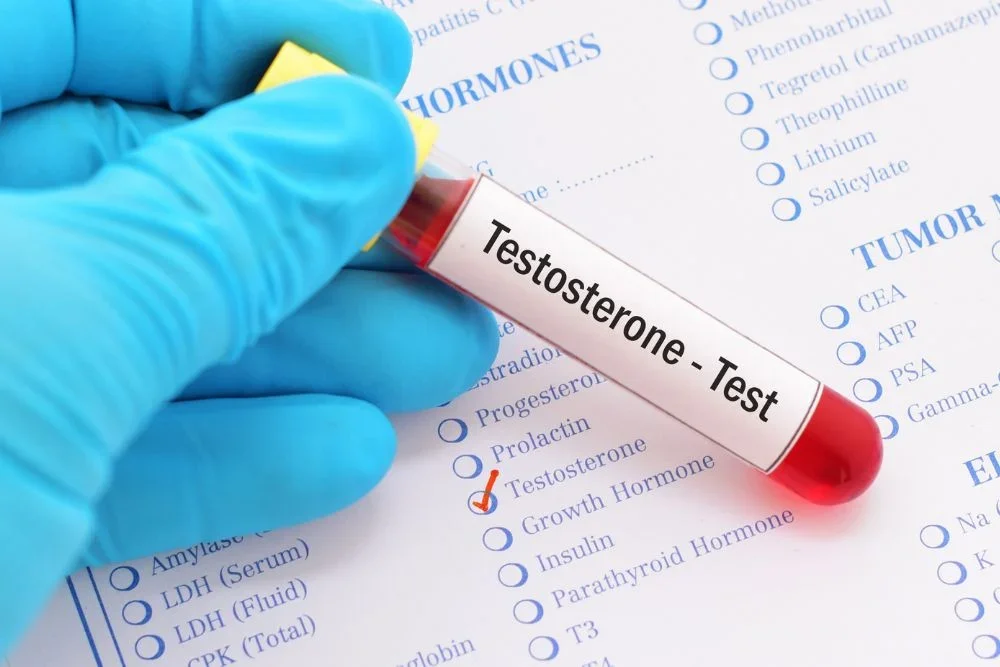
Low testosterone is associated with autoimmune and other chronic diseases, and men with hypogonadism may have a higher incidence of rheumatic autoimmune conditions. Current evidence suggests it is more likely a marker of chronic disease burden and immune stress, rather than a direct cause of autoimmune disease or flares.
Can Low Testosterone Cause Lupus or Autoimmune Flares?
Current evidence does not support low testosterone as a direct cause of autoimmune flares.
That said, testosterone does have immunomodulatory effects, and lower androgen levels may influence immune balance. While this is biologically plausible, clinical data do not demonstrate that correcting testosterone levels reliably reduces lupus activity or prevents flares.
What low testosterone can do, however, is worsen fatigue, mood, libido, muscle mass, and quality of life, which can significantly impact a patient already living with autoimmune disease.
A Clinical Scenario: Fatigue in a Man with Mild Lupus
Consider a patient I saw with:
Very mild lupus
Photosensitivity
Positive ANA and lupus-associated antibodies
No major organ involvement
Persistent, debilitating fatigue
Despite appropriate and conservative management of lupus, his fatigue has not improved. He has been followed by a urologist and treated with testosterone gel, yet his total testosterone levels have steadily declined over several years, now measuring 234 ng/dL.
This raises an important clinical question:
👉 Is his fatigue driven by autoimmune disease, low testosterone, or both?
The answer often requires addressing both pathways simultaneously.
What Is Considered a Low Testosterone Level?
Total testosterone <300 ng/dL is considered low
Testing must be:
Early morning
Fasting
Repeated on at least two separate occasions to confirm diagnosis
A level of 234 ng/dL, if confirmed on repeat testing, meets criteria for biochemical hypogonadism.
Is Low Testosterone Causing His Fatigue?
Possibly — but fatigue is rarely caused by one factor alone. Fatigue in men with autoimmune disease may stem from:
Active or smoldering inflammation
Sleep disorders (especially obstructive sleep apnea)
Depression or anxiety
Anemia or metabolic abnormalities
Hormonal deficiencies (including testosterone)
Obesity, sedentary lifestyle
If autoimmune disease is well controlled and fatigue persists, low testosterone becomes a reasonable target for evaluation and treatment.
When Is Testosterone Treatment Indicated?
Testosterone replacement therapy (TRT) is not prescribed based on a single lab value alone. According to major professional society guidelines, treatment is considered only when two criteria are met: biochemical evidence of low testosterone and consistent clinical symptoms.
1. Confirmed Low Testosterone Levels
Total testosterone levels consistently below 300 ng/dL
Measured on at least two separate occasions
Drawn early in the morning (typically before 10 a.m.)
Ideally obtained in a fasting state
If low testosterone is confirmed, additional testing — such as luteinizing hormone (LH) — is recommended to determine whether the cause is primary (testicular) or secondary (pituitary/hypothalamic) hypogonadism. This distinction helps guide further evaluation and management.
2. Presence of Clinical Symptoms
Testosterone therapy is recommended only for men who are symptomatic. Common symptoms include:
Chronic fatigue or low energy
Low libido
Erectile dysfunction
Mood disturbances (e.g., depressed mood, irritability)
Reduced muscle mass, strength, or physical stamina
These symptoms must be interpreted in clinical context, as many are nonspecific and can overlap with other conditions such as sleep apnea, depression, obesity, chronic inflammatory disease, or medication effects. Guidelines emphasize a thorough clinical evaluation and shared decision-making before initiating therapy.
Important Clinical Considerations
Fertility: Men planning future conception should not start TRT, as exogenous testosterone suppresses spermatogenesis.
Prostate health: Men with a history of prostate cancer or elevated PSA should undergo individualized counseling and urologic evaluation, as testosterone can stimulate prostate tissue growth.
When used appropriately, testosterone therapy may improve symptoms and quality of life — but it should be prescribed thoughtfully, with ongoing monitoring and clear clinical indications.
First-Line Management Before Testosterone Therapy
Before initiating TRT, best practice includes addressing modifiable contributors:
Weight reduction (goal BMI <25)
Regular resistance and aerobic exercise
Screening for and treating sleep apnea
Optimizing sleep hygiene
Reviewing medications
Ensuring autoimmune disease is adequately controlled with a rheumatologist
In many cases, these interventions alone can improve testosterone levels.
2018 Endocrine Society Guidelines: Key Points
Fertility matters: TRT is not recommended for men planning future conception.
Prostate health considerations: Men with a history of prostate cancer must consult a urologist.
Baseline PSA testing: Recommended for older men prior to starting TRT.
Monitor blood counts: TRT can cause polycythemia, increasing thrombotic risk.
Shared decision-making: Benefits and risks must be reviewed carefully.
FDA-Approved Testosterone Replacement Options for Men
-
Daily application, short-acting, variable absorption, risk of transference, possible odor or skin irritation.
-
Every 1–2 weeks, most commonly prescribed, can cause peaks and troughs in hormone levels.
-
Subcutaneous insertion by a specialist, last 3–6 months, require a minor in-office procedure.

Is Testosterone FDA-Approved for Women?
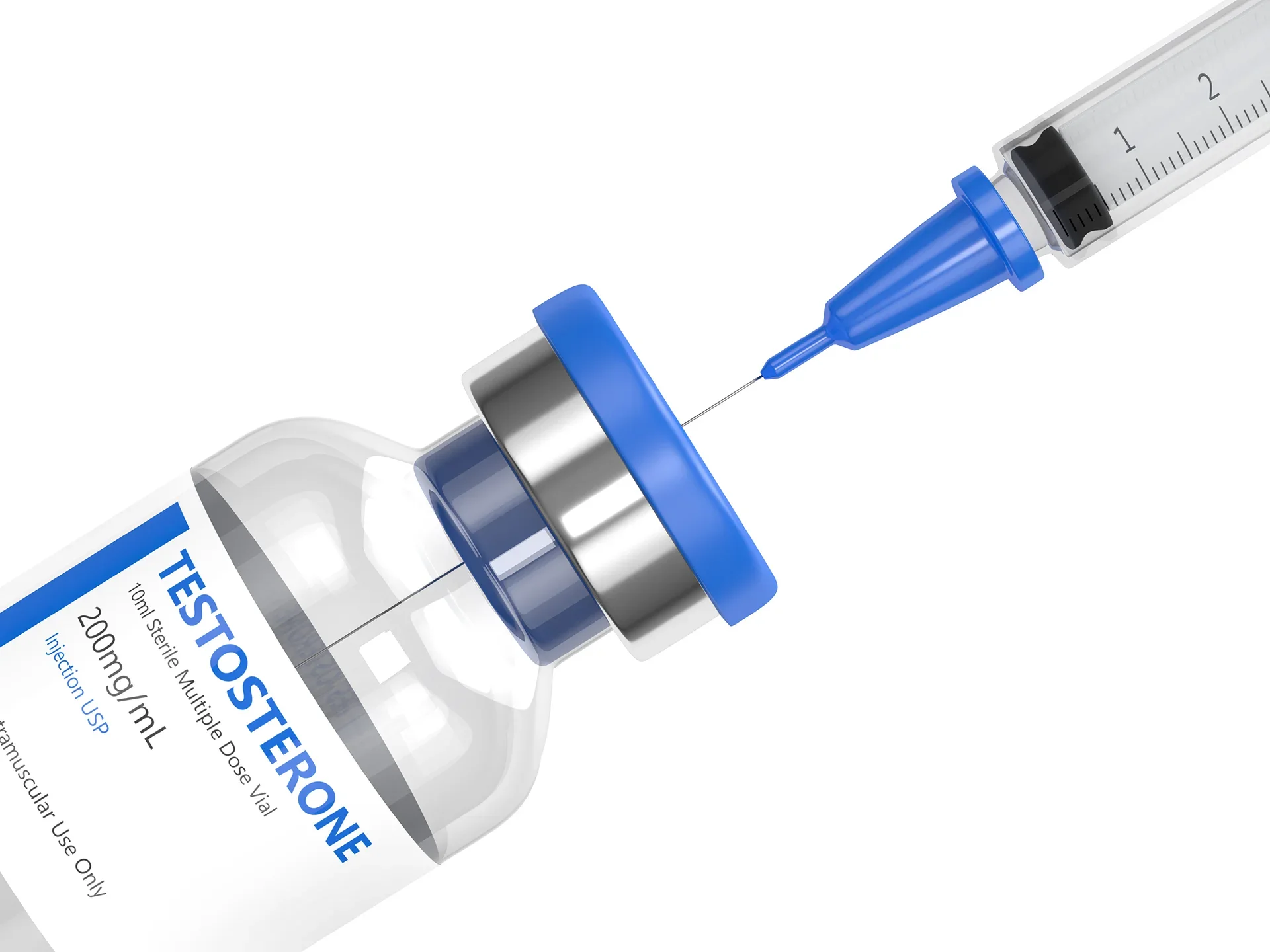
No. There is no FDA-approved testosterone formulation for women in the U.S. Compounded testosterone may be prescribed off-label under specialist supervision, but this differs from FDA-approved use in men.
What Men with Autoimmune Disease Should Know
Ensure fatigue is fully evaluated and not automatically attributed to autoimmune disease.
Work closely with your rheumatologist or primary care provider to assess disease activity.
Talk to your doctor about checking testosterone levels if fatigue, low libido, mood changes, or reduced muscle mass persist.
Understand the benefits, risks, and long-term implications of testosterone therapy.
Testosterone supplementation is not a treatment for autoimmune disease, but it may improve quality of life when appropriately indicated.
Final Takeaway
Low testosterone is common in men with chronic disease, including autoimmune conditions. While it does not appear to cause autoimmunity or disease flares, it can meaningfully worsen fatigue, mood, and overall well-being.
If you are experiencing persistent fatigue or low energy, talk with your rheumatologist or primary care provider about whether a hormonal evaluation, including testosterone testing, is appropriate. A thoughtful, evidence-based approach — combining disease assessment, lifestyle optimization, and appropriate hormonal evaluation — offers the best path forward.
References
Baillargeon J, Al Snih S, Raji MA, Urban RJ, Sharma G, Sheffield-Moore M, Lopez DS, Baillargeon G, Kuo YF. Hypogonadism and the risk of rheumatic autoimmune disease. Clin Rheumatol. 2016 Dec;35(12):2983–2987.
Mulhall JP, Trost LW, Brannigan RE, et al. Evaluation and Management of Testosterone Deficiency: AUA Guideline. J Urol. 2018;200(2):423–432. doi:10.1016/j.juro.2018.03.115
Bhasin S, Brito JP, Cunningham GR, et al. Testosterone Therapy in Men With Hypogonadism: An Endocrine Society Clinical Practice Guideline. J Clin Endocrinol Metab. 2018;103(5):1715–1744.