

Your Complete Guide to Methotrexate:
If you were recently diagnosed with an autoimmune arthritis and someone mentioned methotrexate, you’re not alone in feeling a mix of curiosity, hesitation, and a lot of questions. As a rheumatologist, I talk about methotrexate every single day. I am writing this to cut through all the noise and give you valuable knowledge about this drug, after prescribing it for almost 15 years.
This guide is meant to feel like sitting down with me in clinic, asking all your real questions, and getting straightforward, reassuring answers.
Let’s dive in.
From A Rheumatologist
What exactly is methotrexate and why is it prescribed?
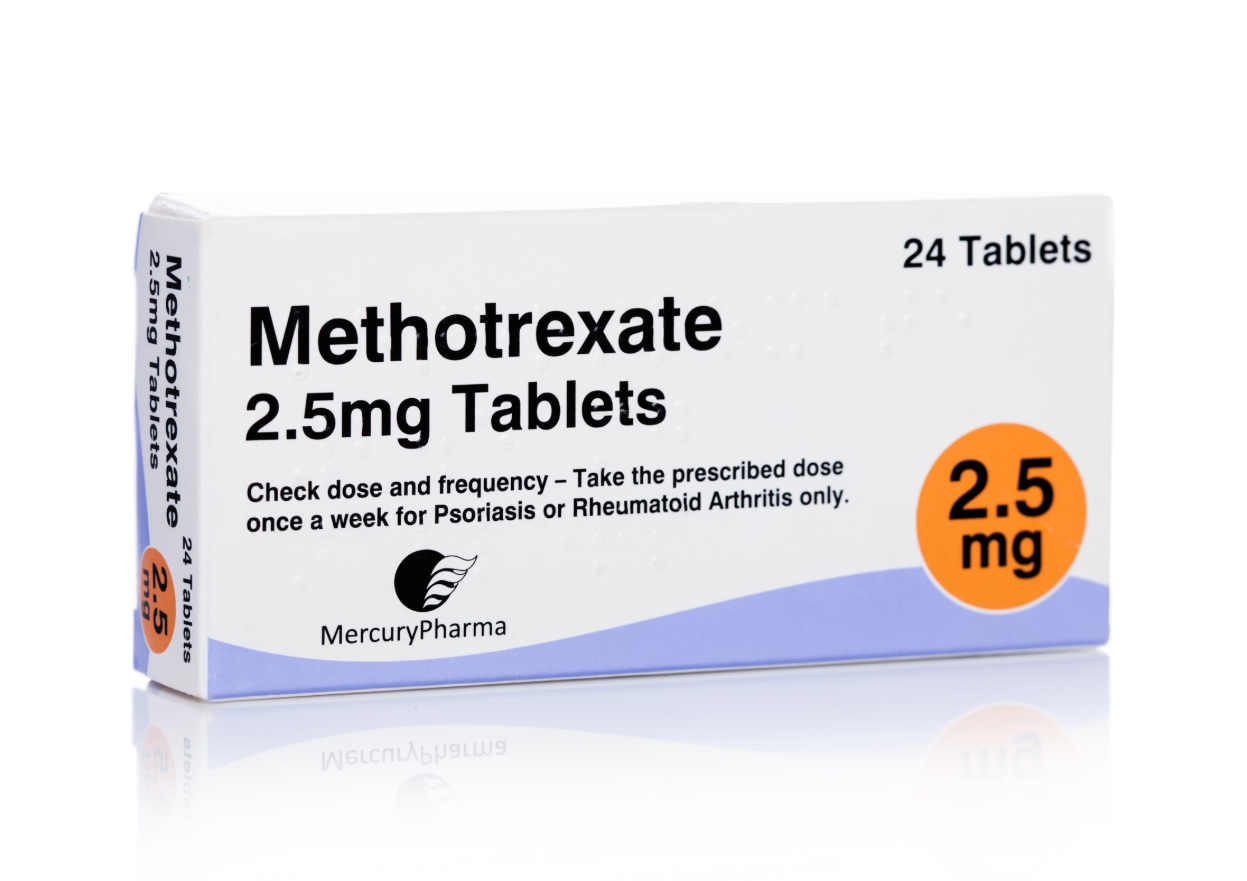
Methotrexate is a cornerstone medication in rheumatology — truly the “classic” starting point for rheumatoid arthritis (RA). It’s been used for decades and remains the initial drug of choice for newly diagnosed rheumatoid arthritis all over the world.
But it’s not just for RA. Methotrexate can also help with:
• Psoriatic arthritis
• Inflammatory arthritis in multiple joints
• Mild to moderate psoriasis
• Certain inflammatory conditions outside the joints
It works by targeting overactive parts of the immune system that are causing inflammation. Think of it as turning the volume down — not shutting the immune system off entirely. With consistent use, it can reduce joint pain, swelling, stiffness, and most importantly, help prevent long-term joint damage.
It’s not the most potent medication we have, but it’s also not the weakest. It sits right in the middle — a conservative but effective option for many people.
Methotrexate has a long history. It was first developed in the 1940s and initially used in oncology at much higher doses than we use in rheumatology. In the 1980s, researchers discovered that very low weekly doses were very effective for autoimmune arthritis — with a completely different safety profile than the high-dose chemotherapy version.
So yes, it has been around for several decades, and we know it extremely well. Few medications in rheumatology have this much long-term data behind them.
How long has methotrexate been around?
I heard that methotrexate is chemotherapy. Will my hair fall out?
Yes, methotrexate is part of chemotherapy when used at extremely high doses — doses far higher than anything we use for autoimmunity. At rheumatology doses, the side effect profile is completely different.
Can hair thinning happen? Occasionally. In my practice, I’ve rarely seen it to the point where anyone else would notice. If hair thinning does occur and is bothersome, it’s always a personal decision whether to continue, and in the instances where the medication was stopped, the hair came back.
What is the mechanism of action of methotrexate?
In inflammatory arthritis:
Methotrexate works by increasing adenosine, a natural anti-inflammatory molecule in the joints and immune system. Adenosine calms overactive immune cells and reduces inflammatory cytokines, which is why methotrexate is effective in rheumatoid arthritis and other autoimmune diseases.
In cancer therapy:
At much higher doses, methotrexate inhibits an enzyme called dihydrofolate reductase (DHFR). This blocks the production of nucleotides needed for DNA synthesis, preventing rapidly dividing cells, like cancer cells, from replicating and ultimately leading to their death.
How long does methotrexate take to work?
Like most drugs in rheumatology, Methotrexate does not work right away.
Most people start noticing improvement somewhere between:
• 4–8 weeks for early symptom changes
• 8–12 weeks for more stable improvement
Everyone responds a little differently. Some people do really well on methotrexate alone. Others need it combined with another medication — which is very common. In fact, more than half of the time, methotrexate is part of a combination regimen to help achieve remission faster and more completely.
-
No. This is probably the biggest misconception.
Methotrexate is an immune-targeting medication, not an immune-erasing one. It selectively calms down the pathways causing your autoimmune disease while allowing the rest of your immune system to function normally.
Autoimmune diseases are treatable, not curable. This medication helps control the disease so your immune system stops attacking your own joints.
-
“Forever” is a long time, and I rarely make blanket rules like that.
I only recommend continuing methotrexate if:
It’s safe for you
It’s effective for you
And you feel well on it
Even if you’ve been stable for years, we always periodically reassess. If someone is doing really well on it, we talk carefully about whether or not dose reduction makes sense.
-
Most people tolerate methotrexate without any side effects.
But, let’s talk about the ones that do show up:
Nausea or stomach upset
- In my experience, about 15–20% of people notice this early on or as doses increase. This is why we start low — usually 15 mg weekly — and slowly work up to a maximum of 25 mg weekly if needed.Fatigue the day after
- Some people feel a “methotrexate hangover.” It’s common and usually improves over time.Liver enzyme changes
- This is why we do routine labs every 2-4 months to monitor liver function.
-
Yes — in moderation.
Methotrexate is processed through the liver, so alcohol adds extra work. But having 1–2 drinks per week is okay for most people. What we want to avoid is binge drinking or regular heavy alcohol use.
-
Studies have shown that folic (or folinic) acid supplementation significantly reduces the risk of elevated liver enzymes and gastrointestinal side‑effects.
Just remember: don’t take folic acid on the same day as your methotrexate dose.
-
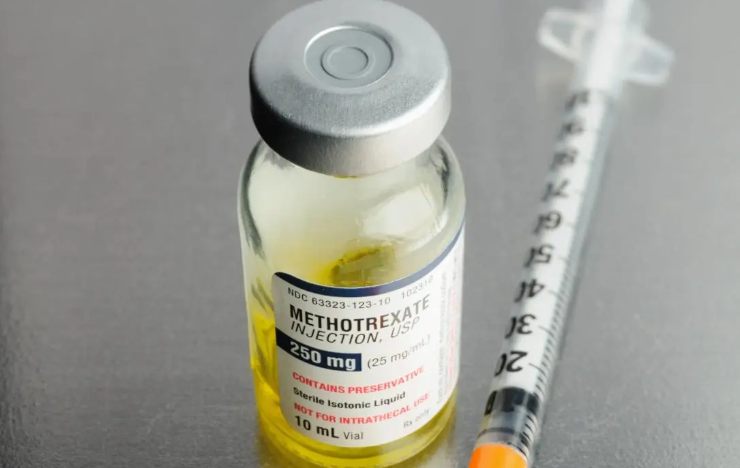
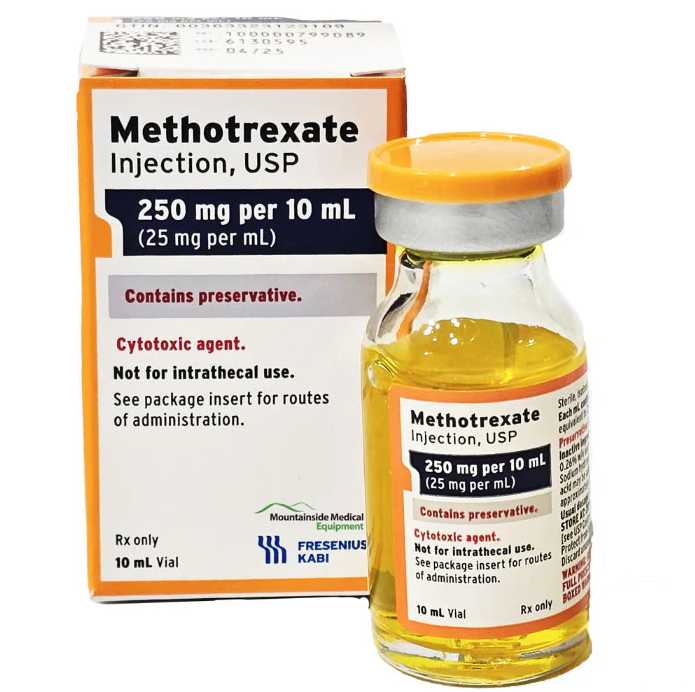
Yes! There is a weekly injectable form. This is very helpful for people who:
Have GI side effects from the pills
Want a more reliable absorption
Prefer to avoid multiple tablets
Injectable methotrexate often has fewer stomach issues and can sometimes be more effective at the same dose.
-
If you usually take methotrexate on Mondays and you remember on Tuesday or Wednesday, go ahead and take it.
If more than two days have passed, just wait until your next scheduled weekly dose.
Yes:
• Split the dose
Example: If your dose is on Friday, take half on Friday morning and half on Friday afternoon.
• Switch to injectables if GI symptoms persist.
• Take it with food
Any tips for nausea or stomach upset from methotrexate?
Should I hold methotrexate after a flu shot?
Yes — I recommend holding one weekly dose after receiving the flu vaccine. Some studies suggest this improves vaccine effectiveness.
For the majority of people — no.
Because methotrexate is a gentle, immune-targeted medication, the increase in infection risk is generally mild. Some people may notice more frequent sinus infections or urinary tract infections. If this becomes a consistent pattern, we reassess and may switch to another medication.
Will I get more infections on methotrexate?
What types of arthritis do NOT respond to methotrexate?
Methotrexate is great for inflammatory arthritis in areas like:
Hands
Wrists
Elbows
Shoulders
Hips
Knees
Ankles
Feet
However, it does not help arthritis that primarily affects the spine or sacroiliac joints — like axial spondyloarthritis or ankylosing spondylitis.
If someone’s main symptoms are lower back, buttock, or spinal stiffness, methotrexate is usually not the right tool.
Yes. Methotrexate is not a good choice for people with:
Chronic liver disease
Chronic kidney disease
Active alcohol use disorder
Severe problems with medication adherence
What types of arthritis do NOT respond to methotrexate?
Absolutely not. If methotrexate is recommended for you, the goal isn’t to overwhelm you — it’s to help you feel informed and confident. For many people, this medication is a game-changer. It has decades of research behind it, and we know how to use it safely and effectively.
My goal is to cut through the noise, the myths, and the Dr. Google anxiety — and give you the facts. Methotrexate can be one of the most powerful tools to help you feel better, protect your joints, and reclaim your quality of life.
Should you be scared of methotrexate?
Additional References: