
How Do We Diagnose Sjögren's Disease? A Rheumatologist Answers Your Questions
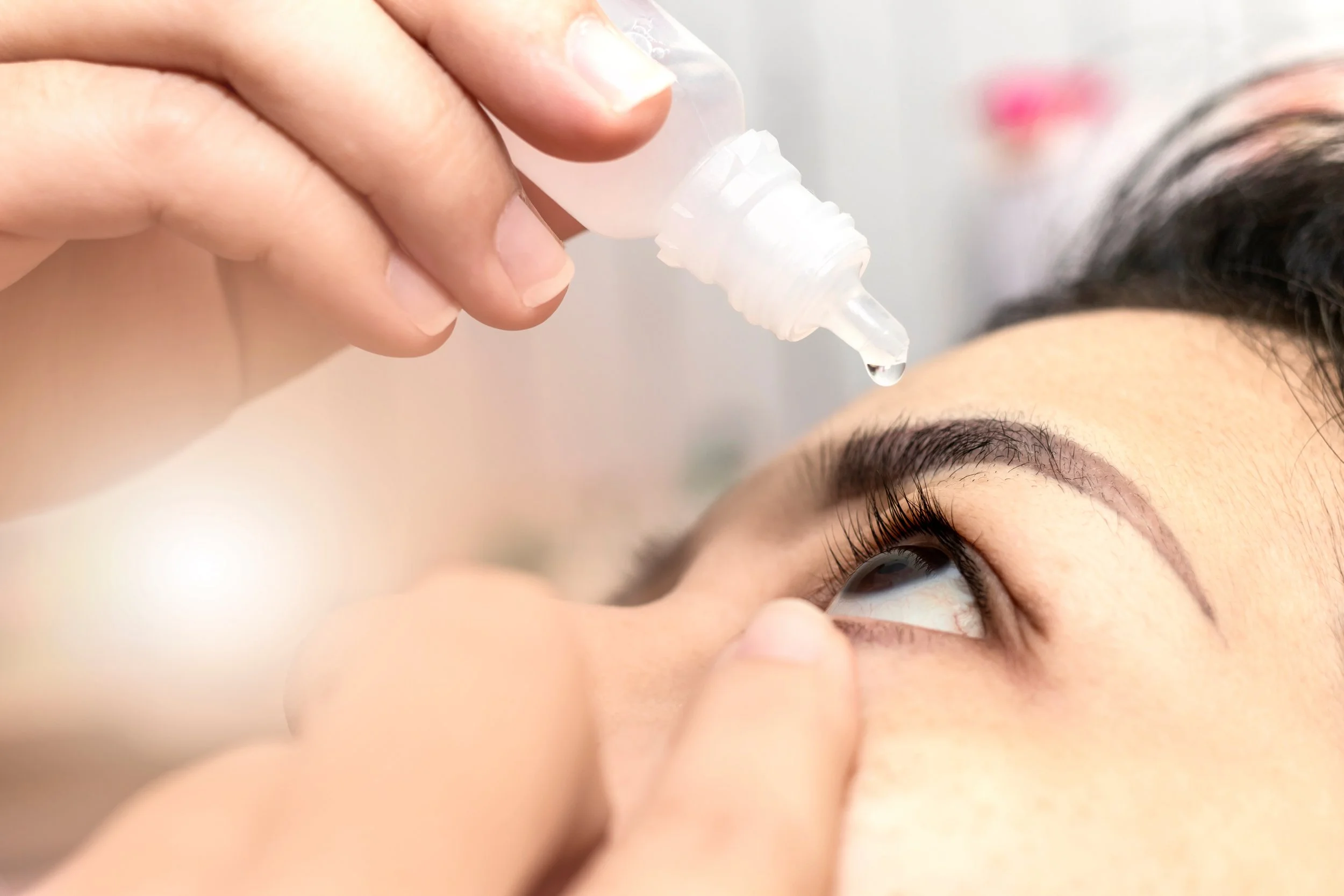
Dryness that won't quit can be more than a nuisance. Here's how I think about Sjögren's disease in my clinic, in plain language.
What is Sjögren's disease?
Sjögren's is an autoimmune disease, which means the immune system mistakenly attacks the body's own tissues. In this case, it targets the glands that make saliva and tears. When those glands stop working the way they should, you end up with the two symptoms most people associate with the disease: dry eyes and dry mouth. But as I'll explain, Sjögren's can be a whole-body disease, not just a "dryness" problem.
How do patients usually end up in my office?
Most people come to see me because of dryness — dry eyes, dry mouth, or both. Others arrive with symptoms that seem unrelated to dryness at first glance: nerve pain or numbness (neuropathy), lung problems, joint pain and arthritis, or kidney issues. And a good number of patients are sent to me not because of symptoms at all, but because a blood test came back showing "Sjögren's antibodies." Any of these can be the doorway into an evaluation.
Here's the most important pearl: not everyone with dryness has Sjögren's.
This is the point I most want people to hear. Dry eyes and dry mouth are extremely common, and the vast majority of the time they are not caused by Sjögren's. Only about 10% of people with clinically significant dry eye disease turn out to have Sjögren's. Allergies, medications (this is a big one — think antihistamines, antidepressants, blood pressure pills, and bladder medications), and a long list of other health conditions can all dry you out. So the presence of dryness opens the conversation; it doesn't close it.
What antibodies are linked to Sjögren's?
The classic ones are anti-SSA (also called anti-Ro) and anti-SSB (anti-La). When I say a patient has "Sjögren's antibodies," I usually mean anti-SSA. Here's the nuance I always explain: these antibodies are associated with Sjögren's, but they are not exclusive to it. They show up in lupus and other autoimmune diseases too. A positive antinuclear antibody (ANA) and a positive rheumatoid factor are also common in Sjögren's, but again, neither is specific. In fact, anti-SSB by itself, without anti-SSA, doesn't really help make the diagnosis anymore. Context matters enormously — a low-level positive antibody in someone with mild, common dryness is very different from a strong antibody in someone with the right clinical picture.
What do I look for on the exam?
I'm looking for objective signs of dryness, not just the story. In the mouth, I check whether the tissues actually look and feel dry, whether the tongue is fissured or lacks the normal pooling of saliva, and I look at the teeth. I also examine the salivary glands in the cheeks and under the jaw to feel for swelling.
Besides dry eyes and dry mouth, what else might I see?
A lot, actually. In the eyes, people often describe burning, grittiness, or the sensation of a foreign body — like there's always something in the eye. In the mouth, one of the most telling signs is a sudden change in dental health: new cavities appearing quickly, or teeth deteriorating faster than expected. That happens because saliva normally washes away bacteria, and without it, the mouth environment changes. Some people also get burning, cracking, and redness of the lips and the corners of the mouth.
Beyond the eyes and mouth, Sjögren's can affect the glands themselves — I sometimes see patients with salivary stones, with recurrent swelling of the parotid glands (the ones in front of the ears, which can make the face look puffy), or with gland inflammation. And because this is a systemic disease, it can reach well beyond the glands.
What other organ systems can Sjögren's affect?
Roughly a third to a half of patients develop symptoms outside the glands. Some of the ones I watch for:
Nerves: peripheral neuropathy, causing numbness, tingling, or burning, often in the hands and feet.
Lungs: interstitial lung disease and airway inflammation.
Joints: arthritis and joint pain.
Kidneys: a particular type of kidney inflammation (interstitial nephritis) that can cause electrolyte and acid-balance problems.
Blood and other systems: fatigue, which can be profound, along with a small but real increased risk of lymphoma over time.
This is exactly why Sjögren's deserves more than a shrug when someone has "just dry eyes."
How is Sjögren's actually diagnosed?
There isn't one single test that says yes or no. We do have formal classification criteria — the 2016 ACR/EULAR criteria — that give us a helpful framework. I want to be clear that these were designed mainly for research studies, so they don't replace a doctor's clinical judgment, but they're a useful scaffold.
The criteria assign points for objective findings: anti-SSA antibodies and a positive salivary gland biopsy each count the most, while objective signs of dry eyes (measured by an eye doctor) and reduced saliva flow count for less. Reach enough points, and you meet criteria.
In practice, this means I lean heavily on objective evidence of dryness. I often refer patients to an eye doctor to formally measure tear production and staining of the eye surface, because that objective confirmation is genuinely useful. In some cases, strong antibody results combined with a convincing clinical history are enough for me to commit to the diagnosis.
What about the salivary gland biopsy?
The minor salivary gland biopsy — a small sample taken from the inside of the lip — is one of our most valuable tools. Under the microscope, we look for clusters of immune cells (a "focus score") that are characteristic of Sjögren's. A positive biopsy is present in roughly 80% of true Sjögren's patients, and it's especially important in people who don't have the antibodies. That said, I don't biopsy everyone. I reserve it for cases where the diagnosis is genuinely in question — for example, someone with a compelling clinical story but negative antibodies.
The bottom line
If you have dryness of the eyes or mouth that persists day after day, or unexplained symptoms like neuropathy, joint pain, or lung changes that won't resolve, it's worth being evaluated by a rheumatologist. Most dryness is not Sjögren's — but figuring out whether an autoimmune process is driving your symptoms can genuinely change how you're cared for.