
Where Does Your Hip Hurt? A Guide to the Causes of Hip Pain by Location
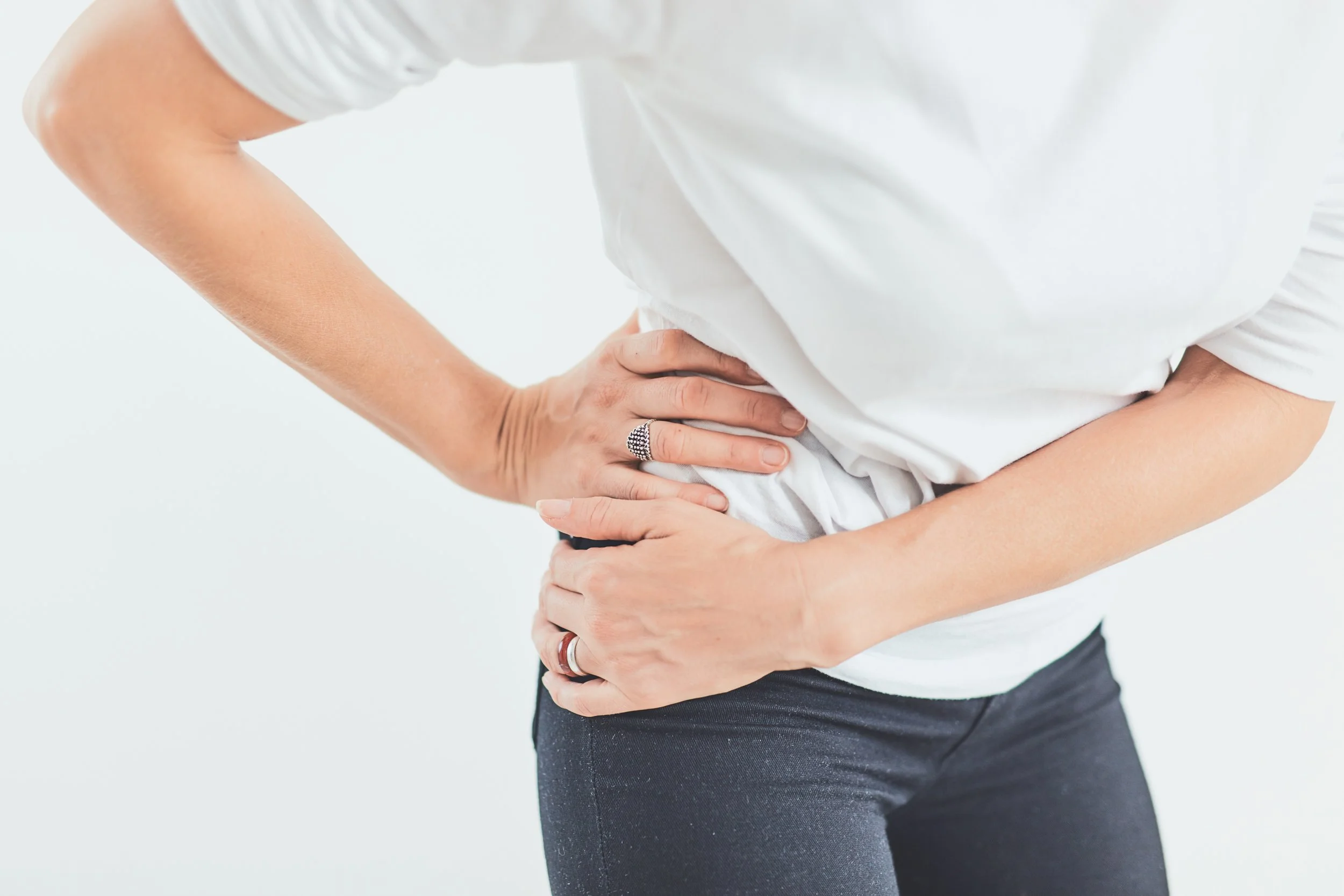
"Hip pain" means very different things to different people. One of the most helpful questions your clinician can ask is simply: point to exactly where it hurts. The answer often narrows down the cause before any test is ordered, because pain in the front, on the side, and in the back of the hip tend to come from completely different structures.
Let’s walk through some causes of hip pain based on location.
Front of the hip and groin: usually the joint itself
When pain sits in the crease of the groin — and sometimes wraps down toward the inner thigh or even the knee — the hip joint itself is the usual suspect. People with true joint pain often cup a hand around the side of the hip in a "C" shape to show where it hurts deep inside.
Common causes of front/groin pain include:
Hip osteoarthritis ("wear and tear" arthritis). This is the most common cause of anterior hip pain in older adults. It comes on gradually, is worse with weight-bearing and activity, and better with rest, and often makes it harder to put on shoes and socks or get in and out of a car. Stiffness and loss of rotation in the joint are typical.
Importantly, arthritis seen on an X-ray does not always cause symptoms — in one large study only about 1 in 5 people with X-ray arthritis actually had pain (Metcalfe et al., JAMA, 2019).
Labral tears and femoroacetabular impingement (FAI). In younger and more active adults, groin pain is often caused by a tear of the ring of cartilage around the socket (the labrum) or by a subtle mismatch in the shape of the ball and socket that pinches with deep bending and rotation.
Avascular necrosis (loss of blood supply to the ball of the hip). This occurs when the blood supply to the femoral head is interrupted, and the bone begins to break down. It tends to affect middle-aged and older adults, and risk is higher with steroid use, heavy alcohol use, smoking, and certain blood disorders.
Other causes to keep in mind. Stress fractures of the femur (especially in runners and in people with thinning bones), and even problems that have nothing to do with the hip itself — hernias, pelvic conditions, or abdominal issues — can show up as groin pain.
Side of the hip: tendons and bursa
Pain on the bony prominence on the outer side of the hip — the part you lie on in bed — is a different story. This is greater trochanteric pain syndrome (GTPS), an umbrella term for pain over the outer hip.
Key features:
Pain on the outer hip that can radiate down the outside of the thigh toward the knee.
Pain when lying on that side, climbing stairs, or getting up from a chair.
Tenderness when pressure is applied right over the bony point
For years this was called "trochanteric bursitis," on the assumption that an inflamed fluid sac (bursa) was to blame. We now know that in most people the real problem is wear and tearing of the gluteal tendons (the gluteus medius and minimus) rather than true bursitis.
Back of the hip and buttock: often the spine, not the hip
Here is one of the most common sources of confusion. Many people that come to me with hip pain say they have "hip pain" while pointing to the lower back, buttock, or the belt-line area. Pain in this zone frequently comes from the lumbar spine, not the hip joint at all.
Causes to consider in the back/buttock region include:
Muscle and soft-tissue pain in the back and buttock.
Spinal arthritis and degenerative disc disease.
Spinal stenosis — a narrowing of the spinal canal that pinches nerves. Classic clues are leg pain that is worse with standing and walking and relieved by sitting or leaning forward (such as over a shopping cart).
A herniated ("slipped") disc pressing on a nerve, which can send pain, numbness, or tingling down the leg.
Sorting hip from spine can be genuinely tricky, and the two often coexist — many people with hip pain turn out to have problems in both the hip and the spine. A few clues help point toward the hip versus the spine: groin pain, knee pain, and trouble reaching the foot to get dressed tend to favor the hip.
A quick location cheat sheet
Groin / front of hip, worse with weight-bearing: think the joint — arthritis, labral tear, avascular necrosis. Don’t forget to think about other non-joint related causes including inguinal hernias or pelvic floor issues.
Bony point on the outer side, hurts to lie on: think greater trochanteric pain syndrome (gluteal tendons/bursa).
Lower back, buttock, or belt line, with leg symptoms: think the spine or muscles.
Practical tips to discuss with your doctor if you are having hip pain:
Be specific about location. Before your visit, notice exactly where the pain sits and point to it. Groin, outer bony point, and buttock each suggest different causes.
Track what makes it better and worse. Pain worse with walking and better with rest suggests the joint; pain worse lying on your side suggests the outer-hip tendons; leg pain relieved by sitting or leaning forward suggests the spine.
Note any "red flag" symptoms — pain after a fall or injury, inability to bear weight, fever, night pain, numbness, leg weakness, or loss of bladder/bowel control — and seek care promptly.
Movement is usually part of the treatment. For hip arthritis and for outer-hip tendon problems, education, weight management when relevant, and targeted strengthening exercises are first-line and genuinely effective.
X-rays and MRIs are tools, but need to be interpreted alongside your story and exam. Imaging findings don't always perfectly match symptoms, so your clinician will interpret them alongside your story and exam.
This guide is for general education and is not a substitute for an evaluation by your own clinician, who can examine you and tailor the diagnosis and treatment to your situation.