
Why Your Joint Pain Flares After Stress or Travel
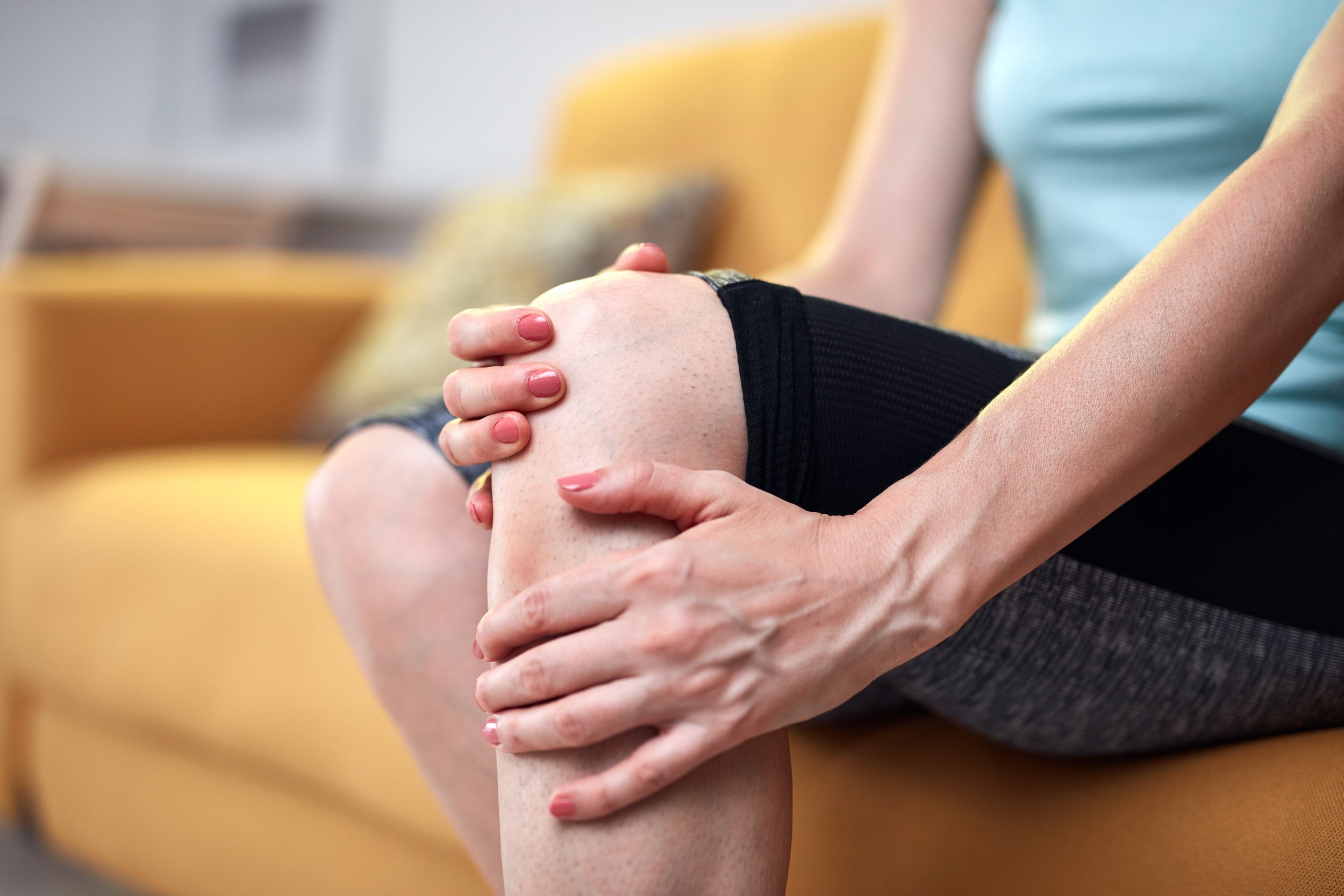
If you’ve ever noticed your joint pain getting worse after a stressful week or a trip, you’re not imagining it. This is a very common pattern I see—and there’s a real physiologic reason behind it.
A question I hear often is: “Why do my joints flare when I’m stressed?” Stress affects your immune system more than people realize. Your body releases cortisol in response to stress. In short bursts, that can help control inflammation. But when stress is ongoing—or your routine is disrupted like it is during travel—your cortisol rhythm gets thrown off. Instead of helping, it starts to work against you, and inflammation can increase.
Another common question: “Why does traveling make my arthritis worse?” Travel tends to stack multiple triggers at once:
Poor or inconsistent sleep
Changes in diet
Long periods of sitting (flights, car rides)
Physical strain (walking more, carrying luggage)
Time zone shifts
Even if it’s a fun trip, your body still experiences it as stress. Sleep disruption alone can raise inflammatory cytokines, which is why many patients feel more stiffness, pain, and fatigue after just a few off nights. So what can you actually do to reduce the chance of a flare?
Here’s what I recommend to my patients:
Protect your sleep as much as possible. Aim for consistency more than perfection. Even one good night can reset things.
Don’t skip or delay your medications. This can be a flare trigger during travel.
Consider taking anti-inflammatory or pain medication proactively. If you know certain activities or travel days trigger pain, taking medication before symptoms start can sometimes prevent a full flare.
Build in gentle movement. Think stretching, short walks, or mobility work—especially on travel days.
Plan for long travel days. If you’re flying or in the car for hours, set reminders to move every 1–2 hours.
Stay hydrated. Dehydration can worsen fatigue and joint symptoms more than people expect.
Try to stay as consistent as possible with your diet. This can be hard when traveling, but even small efforts can help minimize inflammation.
Schedule time for rest during your trip. Build in downtime instead of packing your schedule—this alone can reduce flare risk significantly.
Give yourself a buffer day if you can. Avoid planning something physically demanding immediately after travel.
Lower the “all-or-nothing” mindset. You don’t need to do everything perfectly—small adjustments make a real difference.
Expect some level of flare—and plan ahead. This might mean having as-needed medications, pacing your schedule, or adjusting activity.
The bigger picture is this: your symptoms are not random. If your joint pain flares after stress or travel, it’s your immune system responding to real physiologic triggers—not something you’re doing wrong.
Once you understand that pattern, you can be more proactive—and that’s where patients start to feel more in control.